
I came across this depiction:

And the first thing that it made me think of was my four years dancing on cruise ships!! 🚢
The reason being that the entertainment department, namely the dancers, were known for having such an “easy” schedule on the ships when compared to any other job or department.

For example, while the cabin stewards or the kitchen staff worked 16+ hour days, every single day, here we were, MAYBE working 6 hours TOTAL some days – – when it came to doing our shows and some side jobs during the day. And other days we worked just our shows, so that’s a two-hour day (TOTAL) OR we actually had days completely off sometimes, too! WHOA!!!!! Spoiled and pampered, you know?? 😁😉
So, this often made other departments quite “perturbed” by the dance department, as you can imagine. It seemed like we worked the least and everyone else on the ship worked the most!! And from this outside view AND if you decided to add up the number of hours worked per contract between all the departments, they would be absolutely correct.

Then, when we would perform in our shows, many fellow co-workers from the other departments would be in our audience and watch us dance. And so often I would hear my fellow cruise shippers from those other departments say, “we could dance like that!” or “those dances look so easy” or “I used to dance when I was 8-years old so I could do what you do.” And so on…..

Okay, guys, this is what I have to say about all these things – – –
FIRST: When it comes to becoming a professional dancer, it takes YEARS (decades even, like for me) of blood, sweat, tears, and hundreds (upon hundreds) of hour of training to “do what we do” on stage. And to believe that any one without that commitment and dance discipline could walk on stage and do all the choreography perfectly and with ease is foolish and unrealistic at best!
SECONDLY: Again, it is not just the dancing part that one would need to worry about. It’s also the capability of memorizing all of the intricate choreography of an hour-long show properly, knowing all of their blocking and positions on stage (which is constantly changing every few seconds), and working seamlessly with your dance cast using that spatial awareness. And there would be more than one full show to learn, so there’s that, too. Again, sound easy so far?? 🤔 Oh, there’s more!! 🙃
THIRDLY: Then there are the many costumes, hair pieces, shoe changes, and quick changes! 👗👠👘🥿👓
So, for reference, one of the shows that I did had twelve costume changes during the length of a one-hour show. And one speed-change in particular that was about 35-seconds long and required a total transformation – – full costume, shoes, and a headpiece, and then a sprint to the stage to make it in time for the entrance!!!!
When I think about it, I still have incredible anxiety over that change, it was so fast and intense!! 😱 But see, no one in the audience sees those spastic moments!!!
Seriously, backstage we all look like this:

And then we enter the stage like this:

TRUTH!!! Now that takes a lot of skill to master!!!! 😎
FOURTH: Oh, yeah….don’t forget, you are on a moving cruise ship so the stage rocks some of the time. And that certainly can change things and make the choreography a bit more challenging, you know?? 😉 Especially when there are risers, chairs, and props involved, which there often would be! 🪑
FIFTH: And if you’re a female, you must wear 2.5” – 3”-inch heels on top of everything that I just mentioned. And then do a lot of the intricate choreography and blocking and sprinting around backstage in those heels. That is a BIG adjustment, I assure you!!! It takes some time to get used to those heels!

SIXTH: When one looks at “hours worked” during the day, yes, dancers work way less. However, the amount of energy and effort needed to do the performances of a cruise ship dancer would surprise a lot of people!!
It is often non-stop action, between the dancing on stage and the craziness backstage, for a full hour. The “rest time” is often “changing for the next number” time, which may not be very restful!! Therefore, in this sense, if the the intensity of the jobs on cruise ships were compared, I believe that it might just level the playing field a tad.

And lastly, what very few other departments on the cruise ships realized is this very important fact: that the first month of a cruise ship dancer’s contract is often pure insanity. At least it was for me and all of my experiences!!

Allow me to explain!! So, the start to a contract would be flying to the cruise ship in whatever port it was docked. This would mean that the new dance cast was beginning their first month onboard the ship and the current cast would be on their last month. YES, two dance casts onboard at the same time!! 😯
And then it would begin. The new cast would start to learn the choreography and blocking of the shows – – which meant they rehearsed for about 10-14 hours (or more) per day, six days per week, with the hours determined by the cruise ship itinerary.
If there were shows by the current cast in the evenings, the new cast would be there to watch what they would soon be doing and also observe the tracks of the dancer that would soon be theirs. Since the new cast was there to take over for the current cast, you could watch the dancer in your soon-to-be “spot” and begin to reaffirm the choreography in your brain.

This constant rehearsing meant never getting off of the ship for the first month. And if they did have free time during the day/night or it was their one day off per week, the new cast would use that time to go over all the new choreography in order to minimize forgotten steps and blocking issues.

Then, the transition would begin by the end of the second week of the contract. Costumes for one show would be refitted for the new cast. So, during the third week of rehearsal, the new cast had their debut performance for that one show while the current cast performed in the other 2-3 shows of the week.
And by the last week of rehearsal, after more costume fittings, the new cast would open and perform in another 1-2 shows while the current cast would finish their final show onboard the ship. So that by the week after rehearsals ended, the new cast would have only one more show to open and the current cast would be off the ship and heading home. A nice and smooth transition from one cast to another and the audience would never even realize it!! 😃🤩
Why am I telling you this?? Well, for one, it is totally an inside scoop that perhaps some of you didn’t know!!!

And for another, because it happens to be the busiest and most stressful period for a cruise ship dancer that often goes unnoticed!

No one sees the minimum 240 hours of dance rehearsal time for that month – – so 240 hours of dancing and working out on stage and learning the shows – – and that doesn’t include the over-10-hours-long rehearsal days or the time spent watching the current dancers perform OR the free time spent rehearsing on the side or in the evenings that the new cast had to do in order to stay on top of the new choreography.
It would be a full month of non-stop intensity, pressure, and stress to learn the shows, execute them, master them with costumes and set pieces and lighting and sound, go through all the tech rehearsals and make sure that all is seamless and timed properly, and then open each show.

SO, after approximately 500 hours dedicated to opening these shows, once that was complete, a cruise ship dancer’s life would get very, very easy. Because a majority of the hard work was done in an intensive format initially and the rest of the hard work would now be spread over the next six months of the contract.
One might say that the “lighter load” of a dancer’s schedule could be because they earned it by getting through that tough rehearsal process!!!!! And because many dancers used the off hours to work out, train, and stay as fit as possible in order to dance at their best. AND also because recovery time needed to be built in to the schedule so that the dancers could prevent injuries (as much as possible) and do their jobs at their maximum effort for every show.
It all makes sense so far, right?!?!

So, going back to my initial picture that got me thinking about all of these things in the first place:

Not only are ALL of the things listed in the “what really happens” column applicable to that strenuous rehearsal process – – and most people don’t see those things – – but it also applies to being a dancer, training as a dancer, auditioning for gigs, and trying to make it as a professional dancer.
Going back to when I mentioned the blood, sweat, tears, and the hundreds of dance hours dedicated to “making it” in the dance world, by the time you reached a cruise ship rehearsal…….well, YOU MADE IT!! Like any of the successes that we have all experienced in our lives!!!
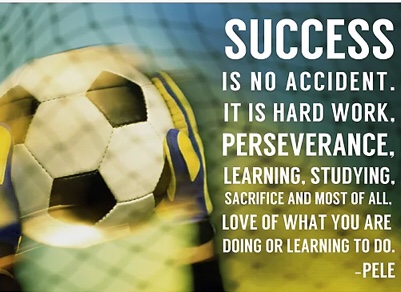
It often means that we already put in the hard work, took the risks, spent those late nights practicing and working hard, battled our struggles, faced major failures and adversities, suffered rejections and disappointments, fought our self-doubts and criticisms, made changes and sacrifices to persist through it all, AND we reached success because of all of these things plus our actions, our discipline, and our courage.
That is one long laundry list of significant things!!!!!! This is often what people don’t see.

Like watching dancers dance on cruise ships, moving with ease and having fun. They went through ALL OF THE ABOVE in order to get to that point, to move in those fluid ways, and to dance with effortless grace. Even if it may look like any person could just wander on stage and “do what they do” because it appears easy. 😉 There is WAY more to it!!!
And now you know all the deets about it!!!! Even if you didn’t necessarily ask or NEED to know these things. You’re most welcome. 🤣🤣
Wishing you continued success as you tackle that long laundry list of ingredients along the way. Even if other people may not notice those many key items below the surface. 😊 ❤️👕❤️👘❤️🧤❤️👗❤️👖❤️🩳❤️👚